


For the typical backyard chef, the grill is the rapid-fire solution, seeing action three times a week. The smoker is the low-and-slow project, typically appearing just twice a month on weekends. After years of using both Smoker vs Grill for every kind of cook, here are the key lessons I’ve taken away.
The Main Difference Smoker vs Grill

Grills cook with direct heat. Flames touch the bottom of food directly. Think hot and fast—like searing a steak in six minutes per side.
Smokers use indirect heat. The fire stays in a separate box. Smoke does all the work, circulating around meat for hours. A brisket might take twelve hours at 225°F.
That’s the core split. Everything else flows from this fundamental difference.
Temperature Tells the Story

Gas grills typically run between 400-550°F. Some days, experienced grillers crank them higher for a good sear. At these temperatures, burgers cook in twelve minutes total. Chicken breasts? Done at fifteen.
Offset smokers sit at 225-250°F all day. Last weekend, one pitmaster smoked pork shoulder for ten hours. The weekend before? Ribs took six hours.
The low heat isn’t a limitation—it’s the whole point. Smoke needs time to sink into the meat. Fat slowly melts and keeps everything moist. Tough connective tissue breaks down into tender, pull-apart goodness.
You can’t rush the process.
Flavor: Two Different Animals

Smoked meat develops a dark, crusty bark on the outside. Inside, there’s a pink smoke ring just under the surface. That ring proves smoke penetrated deep.
I switch between hickory and apple wood. Hickory tastes like bacon—strong and bold. Apple wood adds subtle sweetness. Same meat, same rub, totally different results just by changing wood.
Gas grills add almost zero flavor. Propane burns clean. What gets tasted is pure meat plus whatever seasonings were used. The char marks add texture and some caramelization, but there’s no smoky depth.
Charcoal grills do better. Real hardwood lump charcoal gives light smokiness. But it’s surface-level flavor, not the deep penetration achieved from hours in a smoker.
Both taste great. Just different.
Texture: Where Smoking Wins Big

I recall buying a cheap pork shoulder —$2.50 per pound. Grilling it would’ve been a disaster. Too tough, too much connective tissue.
But after ten hours in a smoker at 225°F? It fell apart at the touch. The collagen turned to gelatin. The fat rendered throughout. The resulting pulled pork had neighbors talking for weeks.
That’s what smokers do best. They take cheap, tough cuts and transform them into something incredible.
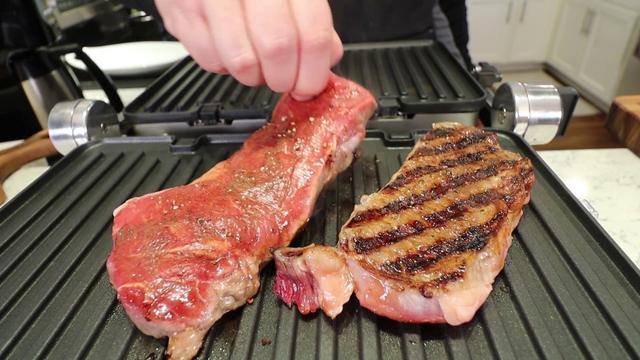
Grills work better for naturally tender meat. A ribeye doesn’t need twelve hours. It needs six minutes per side at high heat to create a crust while keeping the center pink.
What to Cook on Your Smoker vs. Your Grill
On smokers, I cook:
- Brisket
- Pork shoulder (pulled pork)
- Ribs—baby back, spare ribs, all kinds
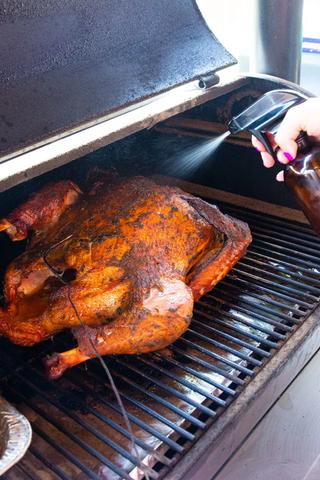
- Whole chickens
- Salmon
- Sometimes vegetables like whole cauliflower
- Big, tough cuts that need time
Read more: Gas vs Charcoal Grills
On grills, I make:
- Steaks
- Burgers and hot dogs
- Chicken breasts and thighs
- Pork chops
- Vegetables like peppers and corn
- Shrimp and fish fillets
- Quick-cooking items that are already tender
The Time Factor
Let’s be honest: smoking takes forever.
Last Saturday, I started a brisket at 6 AM. It wasn’t done until 6 PM. Twelve hours of monitoring temperatures, adjusting vents, adding wood chunks, and rotating the meat.
You can’t start after work and eat by seven. Smoking requires planning.
Grills? Thirty minutes start to finish. Turn it on, wait ten minutes for heat-up, cook for ten minutes, rest for five. Done.
For those working long hours during the week, grills fit their lives. Smokers are for weekends when there’s time to spare.
Be realistic about schedules before buying a smoker.
Cost Reality Check
Offset smokers cost around $400. Gas grills cost around $350. Pretty similar upfront.
But fuel costs add up differently.
Gas grills: A propane tank costs $20 and lasts about 20 hours of cooking. That’s $1 per hour.
Smokers: Burning lump charcoal and wood chunks runs about $1.50 per hour for fuel.
Smokers cost slightly more to run, but not dramatically.
Where it hurts is time. Those twelve hours of babysitting are valuable. If valued at even minimum wage, that brisket would cost $100 in labor.
But many enjoy it. That’s the crucial difference.
Can You Fake It?

Sometimes I want a smoky flavor but don’t have twelve hours. So I fake it on gas grills.
They create two zones—high heat on one side, nothing on the other. Food goes on the cool side. Wood chips in foil go on the hot side. Close the lid.
Does it work? Sort of. Some smoke flavor develops. The temperature isn’t stable. But for a quick fix, it’s fine.
Going the other way is easier. Grilling on offset smokers works by removing the heat deflector and building a hot fire directly under the grate. Works great.
Kamado owners have it best. They can do both perfectly.
What Nobody Tells You

Smoking is social. Being outside for hours means friends drop by. Beers get shared. Conversations happen about the fire, the meat, the smoke. It becomes an event.
Last month, I smoked ribs and six people showed up unannounced because they smelled it from down the street. An impromptu party ensued.
Grilling is social too, but different. It’s faster-paced. Food gets actively managed, flipped, temperature-checked. It’s more of a dinner party than an all-day hangout.
Both are great. Just different vibes.
Maintenance and Cleaning

Grill grates get scraped after every use. It takes ten minutes. Grease traps get emptied every few cooks. Once a month, burners need deep cleaning.
Smokers get messy. Ash builds up. Creosote coats the inside. But deep cleaning only happens every ten cooks or so.
Gas grills need more frequent cleaning. Smokers need deeper but less frequent cleaning.
Honestly, both are manageable. Don’t let cleaning concerns drive the decision.
Smoker vs Grill: Common Mistakes People Make
Mistake #1: Buying a smoker before having time to use it properly. It sits unused for months during 60-hour work weeks.
Mistake #2: Trying to grill a smoker when it wasn’t set up right. Results in unevenly cooked chicken.
Mistake #3: Buying cheap lump charcoal full of small pieces. It burns too fast and creates temperature swings.
Mistake #4: Not keeping a backup propane tank. Nothing worse than running out mid-cook on Sunday night.
Mistake #5: Thinking of fancy equipment is necessary. A $150 vertical smoker makes great ribs. Expensive offsets just make them slightly better.
Learn from others’ experiences.
Pros & Cons
Smoker
| pros | cons |
|---|---|
|
|

Read more about best smoker here
Read more about best grill here
Grill
| pros | cons |
|---|---|
|
|
The Bottom Line
Grills cook hot and fast using direct heat. Perfect for weeknight meals and naturally tender cuts.
Smokers cook low and slow using indirect heat and smoke. Perfect for tough cuts and weekend projects.
Pellet grills split the difference. They’re easy to use and can do both jobs, but they cost more and need electricity.
Many people love having both. They serve different purposes in cooking lives. Grills are like Honda Civics—reliable daily transportation.Smokers are the long-haul challenge of outdoor cooking—they demand patience, but the results are intensely rewarding.
The choice depends on lifestyle, not which is “better.”
Be honest about available time. Be honest about what actually gets cooked. Be honest about the budget.
Then buy whatever makes sense and start cooking.
The best equipment is whatever actually gets used. A cheap grill fired up every week beats an expensive smoker gathering dust.
FAQs
-
Can I use a grill as a smoker?
Yes. Create two heat zones—hot on one side, cool on the other. Add wood chips in foil to the hot side. Place food on the cool side. Light smoke flavor develops, though not as intense as a real smoker.
-
What cooks faster, smoking or grilling?
Grilling is much faster. Burgers take 12 minutes; steaks take 12-15 minutes. Smoking requires 4-12+ hours depending on the cut.
-
Is smoked meat healthier than grilled?
Both are similar nutritionally. Grilling at extremely high heat can create more carcinogens. Smoking’s lower temperatures may be slightly better, but the difference is minimal with proper technique.
-
Do I need both a smoker and grill?
Not necessarily. Kamado grills or pellet grills can do both jobs. But dedicated units perform each task better. Buy based on what gets cooked most often.
-
Which is better for beginners?
Gas grills are easiest—turn a knob and start cooking. For smokers, pellet smokers offer the gentlest learning curve with digital controls.
-
Can smokers grill steaks?
Some can. Kamado smokers reach 700°F+ for excellent searing. Most vertical and pellet smokers can’t get hot enough for proper steak sears.
-
What’s cheaper to operate?
Gas grills cost about $1 per hour in propane. Charcoal smokers run $1.50 per hour. Pellet smokers cost $2+ per hour. Gas wins on fuel economy.
-
How much space do I need?
Grills: 3×3 feet minimum. Vertical smokers: 2×2 feet. Offset smokers: 4×3 feet. Consider clearance from walls and overhangs too.
-
Which adds more flavor?
Smokers win decisively. Hours of smoke penetration creates deep flavor. Grills add surface char but minimal smoke, especially with gas.
-
What meat is best for each?
Smoke: brisket, pork shoulder, ribs, whole chicken. Grill: steaks, burgers, chops, chicken breasts, fish. Match cooking time to meat tenderness.
Learn More About Grilling
If you want to learn more about grilling, check out these other helpful resources!

Popular Buying Guides

Recently Published Posts


